HOW COMMON
More than a third
In the 2009 Adult Dental Health Survey, 36% of adults had moderate and 12% had extreme dental anxiety.
Explore the surveyDENTAL ANXIETY, EXPLAINED
Fear of the dentist is common, and it is taken seriously.
A national survey found more than a third of adults had moderate dental anxiety and 12% had extreme anxiety. NHS guidance says dental staff are trained to help nervous patients. An independent informational guide, not a dental practice.
12% of adults extremely anxious
THE SHORT ANSWER
Dental anxiety ranges from mild nerves to phobia.
Guidance describes several ways dental teams help.
HOW COMMON
In the 2009 Adult Dental Health Survey, 36% of adults had moderate and 12% had extreme dental anxiety.
Explore the surveyIN THE CHAIR
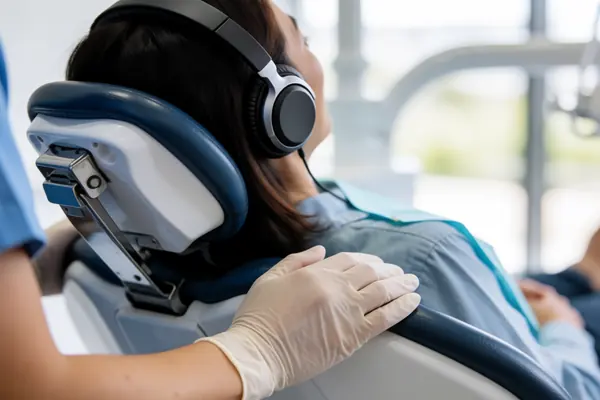
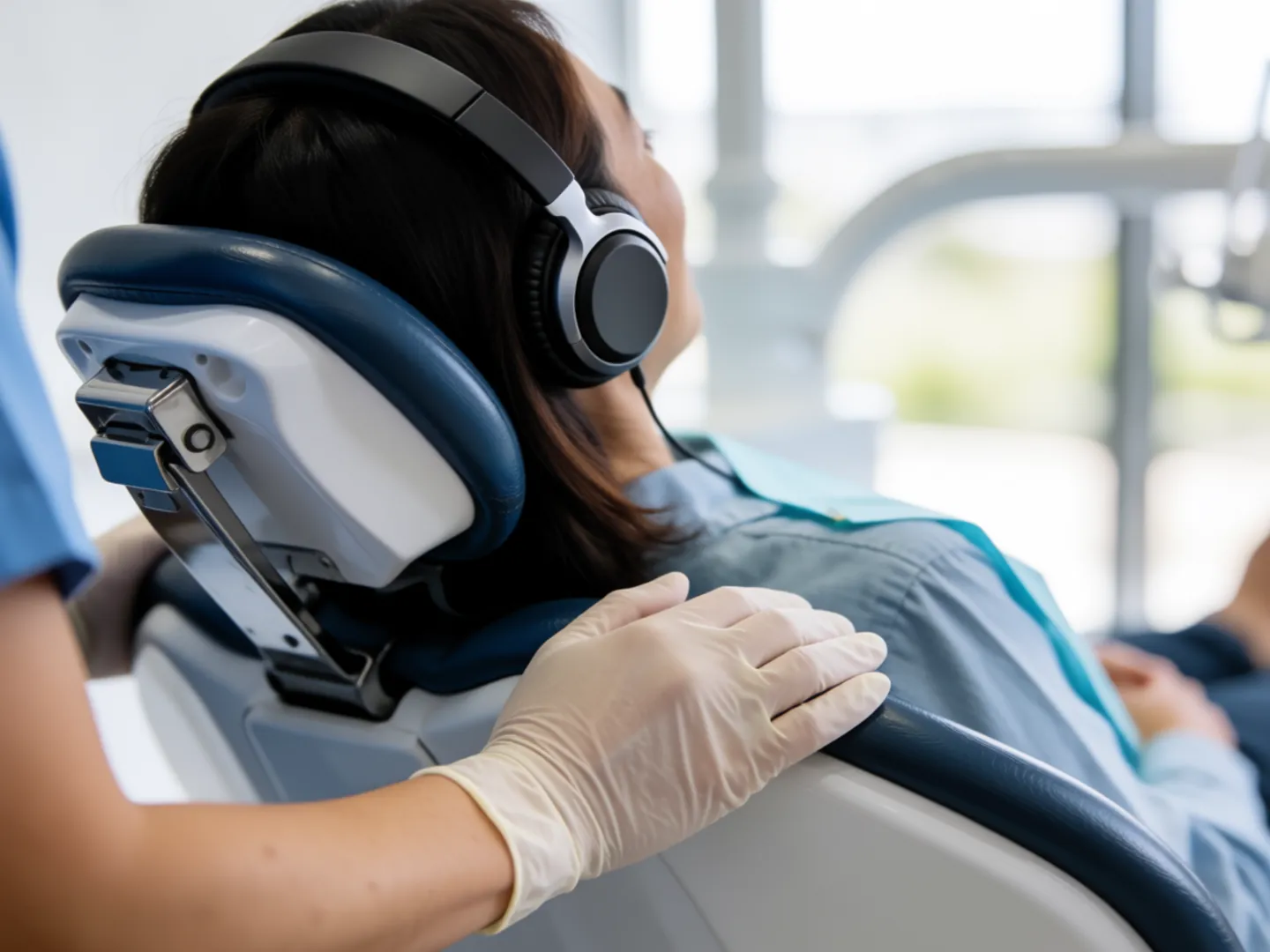
NHS inform lists talking to the dentist, agreeing a stop signal, breathing techniques, music on headphones and having the dental nurse sit with you.
The NHS listTALKING THERAPY
In a King's College London service study, 79% of patients referred for CBT went on to have dental treatment without sedation.
See the numbersGeneral information only, not medical advice. For advice about your own health, speak to a doctor, pharmacist or other qualified health professional.
WHAT THE SURVEY FOUND
Pick a line from the 2009 Adult Dental Health Survey, which measured anxiety with the Modified Dental Anxiety Scale. The bar shows roughly what share of adults it covers.
Survey figures for adults in England, Wales and Northern Ireland. This is general information, not personal dental or medical advice.
TWO NUMBERS WORTH KNOWING
One figure on how many people have a dental phobia,
one on what happened after talking therapy in one NHS service.
≈ 1 in 10
People estimated to have dental phobia
King's College London says estimates from the 2009 Adult Dental Health Survey suggest around one in ten people has a dental phobia, which typically leads people to avoid the dentist.
DENTAL PHOBIA · KCL
79%
Treated without sedation after CBT
Of 130 patients referred to a psychologist-led CBT service at Guy's and St Thomas', 79% went on to have dental treatment without sedation, after an average of five CBT appointments.
CBT SERVICE · KCL
The study's authors said CBT complements sedation services rather than replacing them: some people will still need sedation for urgent or invasive treatment. Results come from one specialist service, published in the British Dental Journal.
WHAT NHS GUIDANCE LISTS
NHS inform (Scotland) lists these ways to ease a fear of the dentist. They are general suggestions, and a dental team can talk through what suits each person.
Speak to the dentist about your feelings and work together to make the visit as relaxed as possible.
Agree on a signal you will make if you feel overwhelmed or want the treatment to stop for any reason.
Breathing and relaxation techniques, or music on headphones, can take the focus away from sounds that make you anxious.
You can ask for the dental nurse to sit with you. For severe fear, NHS inform says you can ask about a referral to a sedation clinic.

WHEN FEAR BECOMES PHOBIA
King's College London describes dental anxiety becoming a phobia when it has a marked impact on someone's well-being. People with dental phobia typically avoid the dentist and end up with more dental pain and poorer oral health.
The NHS lists talking therapies such as cognitive behavioural therapy (CBT) among the treatments for phobias, and says you can refer yourself to an NHS talking therapies service without seeing a GP first.
Questions
Very common. In the 2009 Adult Dental Health Survey, 36% of adults who had ever been to the dentist had moderate dental anxiety and 12% had extreme anxiety.
In the same survey, 72% of adults said they would be anxious about having a tooth drilled and 70% about an injection in the gum.
NHS inform says dentists are much more aware of anxiety than they used to be and that staff are trained to handle nervous patients. Numbing gels can be used before injections.
No. NHS inform lists several coping approaches first, with sedation clinics for severe fear. A King's College London study found most patients in its CBT service went on to treatment without sedation.
Not usually. NHS inform says intravenous sedation is not for putting you to sleep: you stay awake, though it can help you relax and you may not remember the procedure.
Sources
ABOUT THIS NAME
maidentalnap.com is part of the DoodleSale portfolio. It isn't in an auction right now, but you can ask about leasing it.